

One of the biggest lessons I learned in my radio days was the extent the engineers would go to, to ensure the station would not go off air. Now there were a few times over 14 years when we did, which is to be expected when you are running a 24 hour a day, 7 days a week, 365 days a year operation.
However, there were many times where it was avoided or if it did go down, the time was minimal thanks to the systems they had put in place.
Things were in some ways simpler before the computer age of the 1990’s took over. If you went off air it was more an announcer’s fault as they may have underestimated how long the song was during a dash to the kitchen for a quick cuppa or a necessary toilet break. The station ran on mains power. If the mains died you would have to wait 9 seconds which seemed like an eternity of dead air before the diesel generator out the back of the station in an old shed would kick in and take over as your power supply. You then bought a few hours of time with that, and if it was going to be extended they would just top it up with more diesel. By that time the mains should be have been restored by Western Power company.
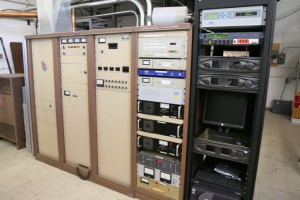 When computing came in it reduced the amount of announcer errors with up to 5 songs being strung together by the system to allow for those necessary departures from the studio. So while announcing errors were less and there was more consistency in songs being fired off on time one after the other, another problem was created – the heavy reliance on computing. If there was a power surge, computers and news servers that provided audio to the studios would crash. After they were rebooted it could take up to 10 minutes for them to reload before they were operating on air again. So the technicians introduced UPS battery devices to all on air machines as back up. This way if power dropped, you had 9 minutes of battery time which saved your computer systems from crashing and was ample time for the generator to start up out the back and power the station if it was needed.
There’s a lot to learn from the old boy scout’s motto “Be prepared!” It’s one that all traders should take note of.
Traders don’t often think of break down in systems and with the amount of money that is on the line they need to. It is part of the business operation.
Secondly, the question often comes up from new traders, “Should I trade if I go on holidays?”
HOLIDAYS – TO TRADE OR NOT TO TRADE?
That is the question.
What will be right for one trader will not be right for another. So it is always a personal decision. Having said this there are a number of things a trader must consider if they are going on a break.
Do they want to think about trading? Or do they want a mental break?
The difficult thing about trading is emotion. It can be a large investment of emotional energy to monitor and stay on top of the various trades especially if the market is going against a trader, and they have to actively defend. If they are trading international markets at strange hours this can also be physically taxing.
Secondly, trades need to be monitored. If they are sitting safely and going a trader’s way they are in what I call “baby-sitting” mode. However, the markets can quickly change, and if a trade is going against them the question is does a trader want to be managing the accounts defence while on “holiday”.
 One trader came to me with a question while he was virtual trading. He was about to get married and go on his honeymoon. I said told him, “Avoid trading on your honeymoon. You need to focus on your bride at this time. “
Sometimes the need to recharge the batteries is really necessary. Instead of monitoring trades having a break can be a good thing. It will refuel the fire once you return from vacation.
Personally, I have done both. I’ve traded while away and also taken a break. For me trading has to fit my lifestyle.
If I’ve stopped it’s usually because I want to enjoy some focussed family time, especially if I have been busy. The market will still be there when I get back. At those times having a break and detaching has been necessary to recharge. I’ve returned to the market refreshed and enthusiastic.
There are some downsides to stopping though.
In many options trading styles a morph requires new options sales to occur and defend. A follow up sale to the market puts the necessary funds back in the account and brings the position to safer strike points. Stopping that ‘next sale’ may be a difficult decision to make as it can mean accepting a loss that is greater than if it was morphed completely. If a new position is rolled down to this is a new liability that has been opened, and often has an expiry commitment for the next month or so, which will need monitoring. The downside to stopping means in some circumstances accepting a loss will be larger than normal. The market will always be there when returning from a break so it really becomes a question of where things are currently at and what’s been happening in the lead up to this point.
Additionally, there is a big difference for a trader who supplements their income with trading versus someone who totally relies on it for their income. Cash flow is a consideration especially if they are going to be taking a break for quite a while.
If a trader does stop with options it can take a couple a weeks to gather momentum again. They have to look for new trades without the benefit of locking in profit from current positions.
Additionally, for a trader going away they will need to monitor their trades, and unless they have internet access organised they would not want to be trading “blind” by being disconnected from their account. This can especially be a concern if they are going overseas.
Some traders may find trading relaxing, and don’t mind monitoring live trades. There’s nothing stopping them in this day and age of the world wide web.
If a trader is starting out and keen for practice they can always paper trade to gain experience in using the platform.
I have had clients who want to travel for a year and spend their time trading to fund the vacation or just keep the cash flow coming in.
 One of my clients decided to sell his house for over a million dollars, bought a caravan, packed up his family and decided to travel around Australia for a year. He was trading FOREX, and when he got back told me he regretted not closing out an $80,000 trade he had in his account. He wanted “a little bit more” and it ended up being a losing trade. He said it was a great lesson in greed.
Traders must consider where are they travelling to. What is the infrastructure in that country or place? What will be the time differences if they go elsewhere? What time will it be in the country they are visiting when the markets open?
Do they need to consider using a full time broker as backup as well as trading online?
WHAT CAN GO WRONG?
Whether they are on holiday or not a trader can experience a whole host of technical problems. And contingency plans need to be in place.
For example, what if their computer were to fail while overseas? What if they struggled to get good internet access?
What about the time zone they will be in, and what if they are on-board a plane while the market is open?
What time of the year are they travelling? As we mentioned before, the market at Christmas can be less liquid, and slower due to less volume going through. Will this be an issue on the trades they are considering?
As for me, if I am coming up to a holiday I make a decision 2 months beforehand whether I will trade or not over the break. When it comes to options this is enough time for me to wind down current trades, and also decide whether to open up new trading positions or not for the following months.
HOW TO PLAN FOR THOSE EMERGENCIES
Even if a trader isn’t on vacation there are a number of emergency situations that could occur that they must have contingency plans for.
We’ve highlighted the breakdown of a computer. Having a spare laptop on hand is important, or a smart phone as most brokers have apps that you can utilise if you get stuck. Otherwise organising access to someone else’s computer ‘in case of an emergency’ needs to be done.
 Having the phone number of the broker locally, nationally, internationally that isn’t stored on their computer but filed away carefully is important for a trader. Generally with Australian brokers that allow you to trade international markets the local office is closed after hours, but a sister company in the relevant country may be open. It’s important a trader finds this out.
Additionally, I use a cloud that is linked to my phone and laptop. On there I store my trade diaries. I want to be able to access them quickly if I am out and about and check how the trade was when I set it up and what profit it made if I need to.
Then there’s the issue of the breakdown of health.
A trader needs to consider if there is someone else they could trust to access their account. If a trade were in trouble is there a ‘trading buddy’ who could mitigate it, manage it, and close down if needed? They would need to be familiar with the broker, know the necessary user names and passwords, and know the strategy of the trader, and hopefully be experienced in handling it. There’s a lot of trust required here, but I’m sure you can see the vulnerability if not put in place. Alternatively, arrangements could be made that if there were an emergency, a spouse or loved one could phone the necessary user name and passwords through to the “trading buddy” on standby.
Brokers would probably have issues of this being handed around to other people so a trader can always discuss their concerns with them and set up a contingency plan. Remember the broker is there to serve the trader. The broker wants their business.
Many traders have these ‘trading buddies’. They utilise both strengths and weaknesses of each other to trade as a team. One of my futures trading friends trades with a woman on the other side of the country via Skype. She’s good at identifying when to get into the trade, and he’s better at knowing when to close out for profit. Together they make a dynamic team and trade together in different time zones at the same time.
There’s an added benefit to this arrangement. I’ve heard of situations where the entire internet for a state has been shut down due to a major technical problem. Someone else in another state is usually on a completely different system of infrastructure.
Being prepared for the worse is a good thing. It gives a trader even more peace of mind and, of course, should be included in a trading plan as further evidence their trading is operating as a business.